Skip to content
Price Match Guaranteed (714) 592-4965

How to Tell If You Have Rodents in Your Attic

Rodent activity in the attic is one of the most common problems Orange County homeowners face. Rats and mice are drawn to attic spaces because they offer warmth, shelter, and easy access to food sources nearby.

Common Warning Signs

The earliest signs are often sounds — scratching, scurrying, or gnawing noises, especially at night. Other indicators include:

  • Droppings along insulation, near entry points, or along rafters
  • Chewed electrical wiring or ductwork
  • Grease marks or rub trails along beams and walls
  • Nesting material made from shredded insulation, paper, or fabric
  • A persistent musty or ammonia-like odor

Why Early Detection Matters

Rodents reproduce quickly. A small problem can become a serious infestation within weeks. Beyond property damage, rodent waste creates health risks including airborne contaminants that circulate through your HVAC system.

What to Do Next

If you notice any of these signs, a professional attic inspection is the best first step. A trained technician can identify entry points, assess the extent of activity, and recommend the right combination of trapping, exclusion, and cleanup work.

5 Reasons Rodent Proofing Saves You Money Long Term

Many homeowners think of rodent control as a one-time fix. But without proper proofing, rodents return — and the cost of repeated damage far exceeds the investment in permanent exclusion.

1. Insulation Damage

Rodents tunnel through and nest in attic insulation, compressing it and contaminating it with urine and droppings. Replacing insulation repeatedly is expensive. Proofing stops the cycle.

2. Electrical Wiring

Rodents chew wiring, creating fire hazards. Electrical repairs after rodent damage can run into thousands of dollars — and the safety risk is even more serious.

3. HVAC Efficiency

Damaged ductwork from rodent gnawing leads to air leaks, forcing your HVAC system to work harder. This drives up energy bills month after month.

4. Health and Cleanup Costs

Rodent waste requires professional decontamination. The longer rodents remain active, the more extensive (and expensive) the cleanup becomes.

5. Property Value

Unresolved rodent issues can surface during home inspections and reduce property value. Proofing protects your investment.

What Happens During a Professional Rodent Inspection

A professional rodent inspection is the foundation of any effective removal and proofing plan. Understanding what happens during the inspection helps homeowners know what to expect and why each step matters.

Exterior Assessment

The technician begins outside, examining the roofline, foundation, vents, utility penetrations, and any gaps or cracks that could serve as entry points. Rats can fit through openings as small as a quarter.

Attic and Crawl Space Review

Inside the attic, the inspector looks for droppings, nesting material, damaged insulation, chewed wiring, and grease trails. The extent and freshness of evidence helps determine whether the problem is active or resolved.

Damage and Contamination Assessment

The inspector evaluates how much damage has been done to insulation, ductwork, and structural components. Contamination levels are assessed to determine whether decontamination or insulation replacement is needed.

Recommendations

After the inspection, you receive a clear summary of findings and a recommended scope of work — typically covering trapping, exclusion (sealing entry points), and any necessary cleanup or restoration.

Attic Insulation Damage from Rodents: What Homeowners Should Know

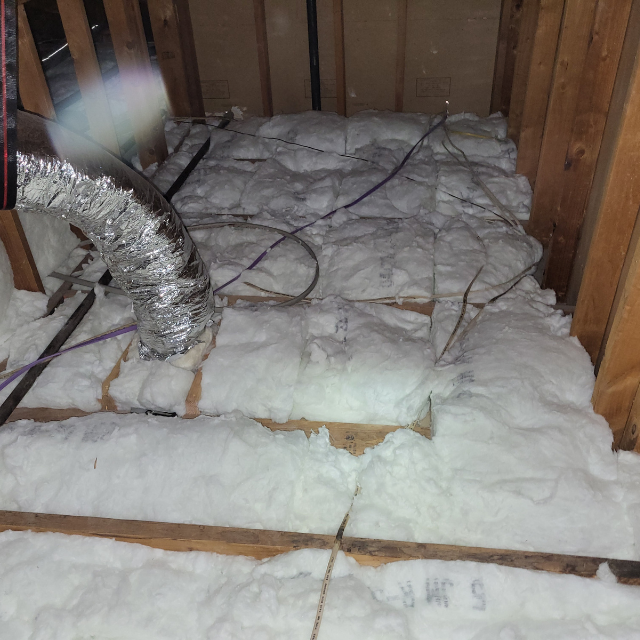
Attic insulation is one of the first casualties of rodent activity. Rats and mice use insulation for nesting, and their waste contaminates the material in ways that reduce its performance and create health concerns.

How Rodents Damage Insulation

Rodents burrow through blown-in and batt insulation, compressing it and creating tunnels. They urinate and leave droppings throughout, which soaks into the material and cannot be cleaned effectively.

Signs Your Insulation Is Compromised

  • Visible droppings scattered across the insulation surface
  • Flattened or displaced sections where nesting has occurred
  • Strong odor, especially in warm weather
  • Increased energy bills due to reduced insulation performance

Repair vs. Replacement

In most cases where rodent activity has been significant, full insulation removal and replacement is recommended. Spot repairs leave contaminated material in place, which continues to affect air quality and energy efficiency.

The Right Sequence

The proper approach is: remove rodents first, seal all entry points, decontaminate the space, remove old insulation, and then install new insulation. Skipping steps leads to recurring problems.

Crawl Space Rodent Problems: Why They Are Harder to Detect

While attic rodent problems tend to announce themselves with audible scratching and scurrying, crawl space infestations can go undetected for months. The crawl space is out of sight, rarely visited, and often poorly sealed — making it an ideal habitat for rodents.

Why Crawl Spaces Attract Rodents

Crawl spaces offer ground-level access, moisture, and protection from predators. Gaps around plumbing penetrations, foundation vents, and utility lines provide easy entry.

Signs of Crawl Space Rodent Activity

  • Musty or ammonia-like odors rising through the floor
  • Unexplained increases in allergies or respiratory issues
  • Damaged vapor barriers or insulation hanging from the subfloor
  • Droppings or nesting material visible during inspection

The Hidden Cost of Delay

Because crawl space problems are less visible, damage tends to accumulate before homeowners take action. Contaminated insulation, compromised vapor barriers, and structural moisture issues all worsen over time.

What We Recommend

A crawl space inspection should be part of any rodent evaluation. Addressing both the attic and crawl space together ensures rodents are not simply relocating from one space to another.

Bird Proofing Your Home: Protecting Vents, Eaves, and Rooflines

Birds may seem harmless, but when they nest in dryer vents, bathroom exhaust vents, eaves, and roofline gaps, they create problems that rival rodent infestations in severity.

Common Problem Areas

  • Dryer vents: Nesting material blocks airflow, creating fire hazards and reducing dryer efficiency
  • Bathroom and kitchen exhaust vents: Blockages trap moisture indoors, promoting mold growth
  • Eaves and soffits: Birds create entry points that other pests also exploit
  • Roofline gaps: Accumulated nesting material and droppings cause water damage and deterioration

Health and Safety Concerns

Bird droppings carry bacteria, fungi, and parasites. Dried droppings become airborne and can enter the home through the HVAC system. Nesting material in vents is a documented fire risk.

How Bird Proofing Works

Professional bird proofing involves removing existing nests, cleaning and sanitizing affected areas, and installing physical exclusion — screens, guards, and sealed covers — to prevent birds from returning.

Top Get Estimate