Orange County attic and crawlspace rodent proofing specialists
Call now: (714) 592-4965
Inspection-first attic and crawlspace proofing

Rodent Proofing & Entry Point Sealing for Attics and Crawlspaces

We help Orange County homeowners inspect the attic, identify likely rodent access points, seal openings, and build the right proofing plan to reduce repeat rodent issues.

Free inspection
Attic & crawlspace focus
Orange County specialists
Entry point sealing
Licensed

Professional rodent proofing and attic service support.

Insured

Home service protection while our team works on your property.

Bonded

Added peace of mind for attic and crawlspace work.

Warranty

10-year coverage available for qualifying workmanship.

See The Difference: Exclusion That Closes Real Entry Points

Rodents exploit chewed vent mesh, shadowy joints where shingles or tile meet siding, and voids along stucco or masonry walls. The three pairs below show how we reinforce each weakness—louver screening, screwed mesh at building transitions, and tight tile abutments—with materials meant to outlast quick caulk-only fixes.

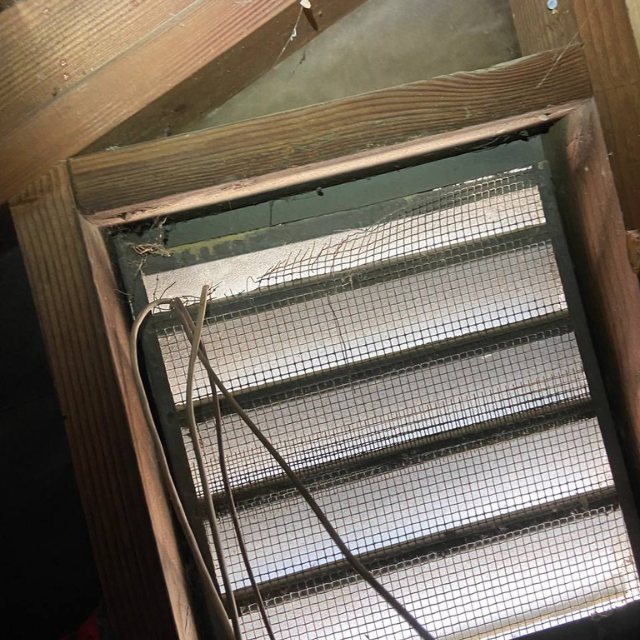
Before Attic louver vent with torn wire mesh and a gap rodents could use
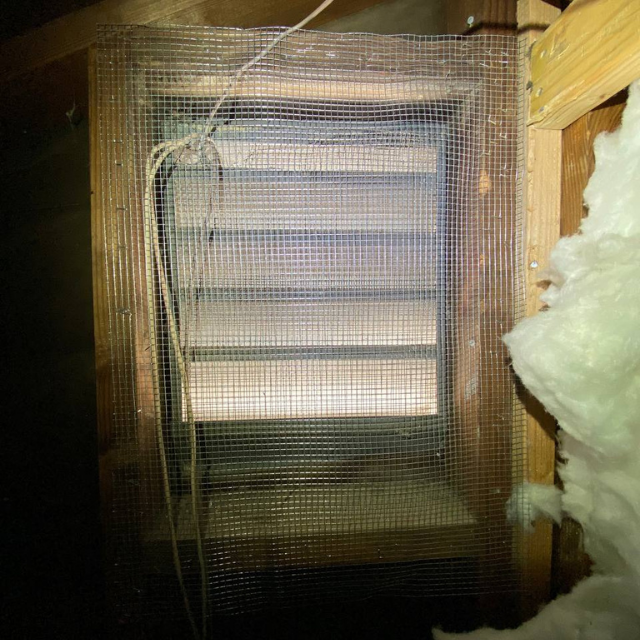
After Same attic vent after chew-resistant hardware cloth is installed for exclusion

From Chewed Mesh To A Solid Barrier

When mesh pulls away from the wood frame, rodents treat it like an open door. We rebuild that line of defense with tight, durable screening secured to the framing so rats and mice cannot slip past—without blocking the airflow those slatted vents are meant to provide.
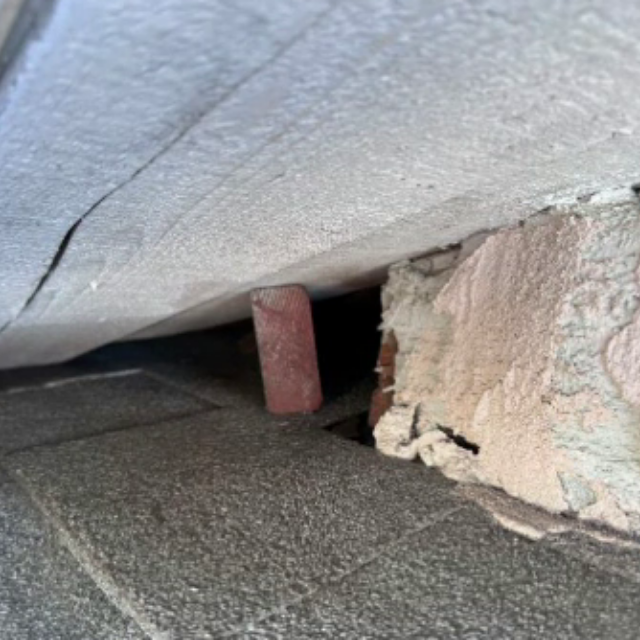
Before Open roofline gap between shingles and soffit or wall where rodents could enter
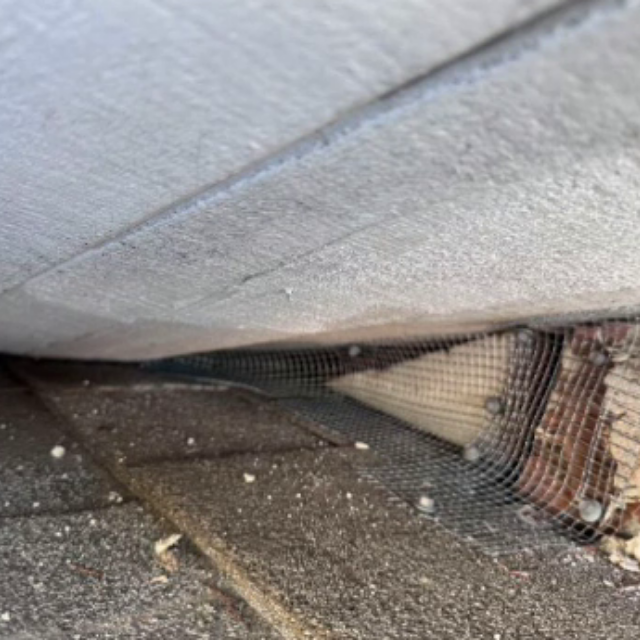
After Same junction after hardware cloth is cut, seated, and screwed for permanent rodent exclusion

Roofline Gaps And Building Junctions

Returns, soffit lines, and transitions against brick or stucco often hide voids you cannot see from the yard. We bridge those openings with formed hardware cloth, washers, and screws so the barrier is bonded to both planes—far tougher than caulk alone—while still shedding water the way the roof was designed to.

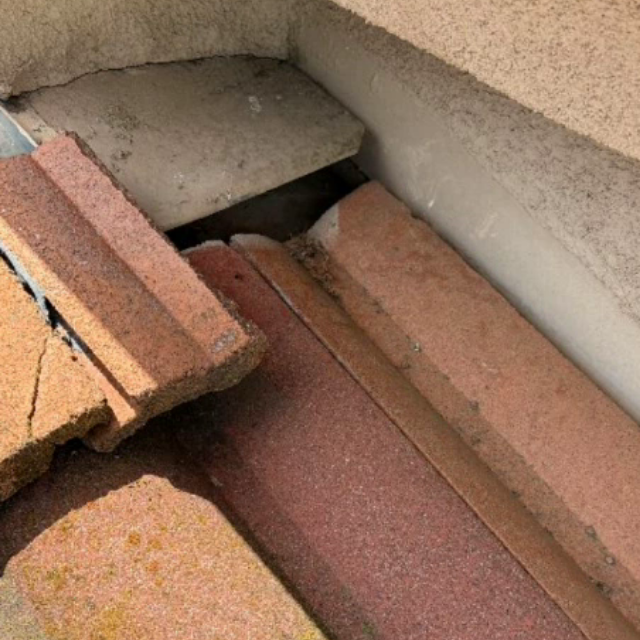
Before Terracotta tile roof with an open gap along the wall where rodents could enter
After Same roof junction after professional rodent exclusion and sealing work

Tile Courses And Wall Abutments

Curved tiles can shift, chip, or pull away from stucco and parapet walls, leaving dark slots roof rats and squirrels use every night. We work those tight corners from the roof side—clearing debris if needed—then rebuild a pest-tight joint with layered mesh, compatible sealants, and proper mechanical support so the repair survives heat, wind, and the next rodent that tries to lift a pan.

Signs It Is Time For Rodent Proofing Or Exclusion

Rodents rarely appear at random—they follow gaps, weak seals, and hidden pathways. If you are seeing the clues below in your attic or crawlspace, an inspection can map where they are likely getting in, what to seal first, and when cleanup or insulation work should support the exclusion plan. The second row shows the kind of long-term mesh, seal, and penetration detailing we install once those weak spots are identified.

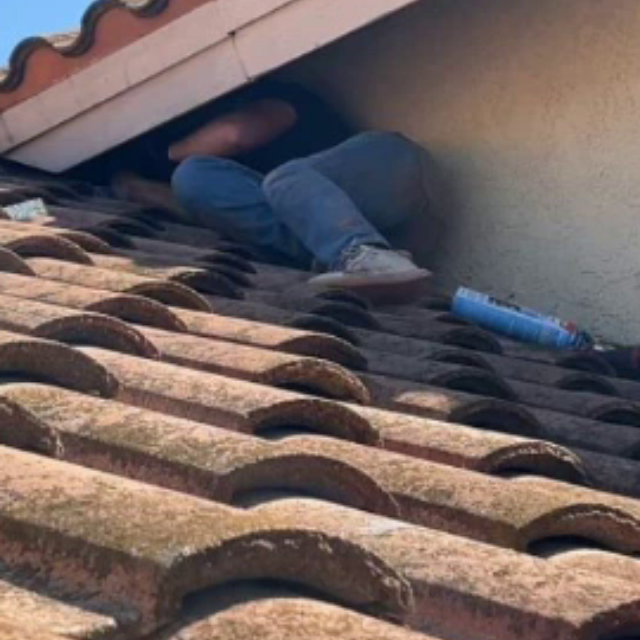
Likely rodent entry point or access area identified for proofing and exclusion

Gaps, Vents, Or Suspected Entry Points

Roof returns, dormer corners, damaged vent screens, and small openings along the roofline are common ways rodents regain attic access. Marking what looks compromised helps turn guesswork into a sealing plan before trapping becomes an endless loop.

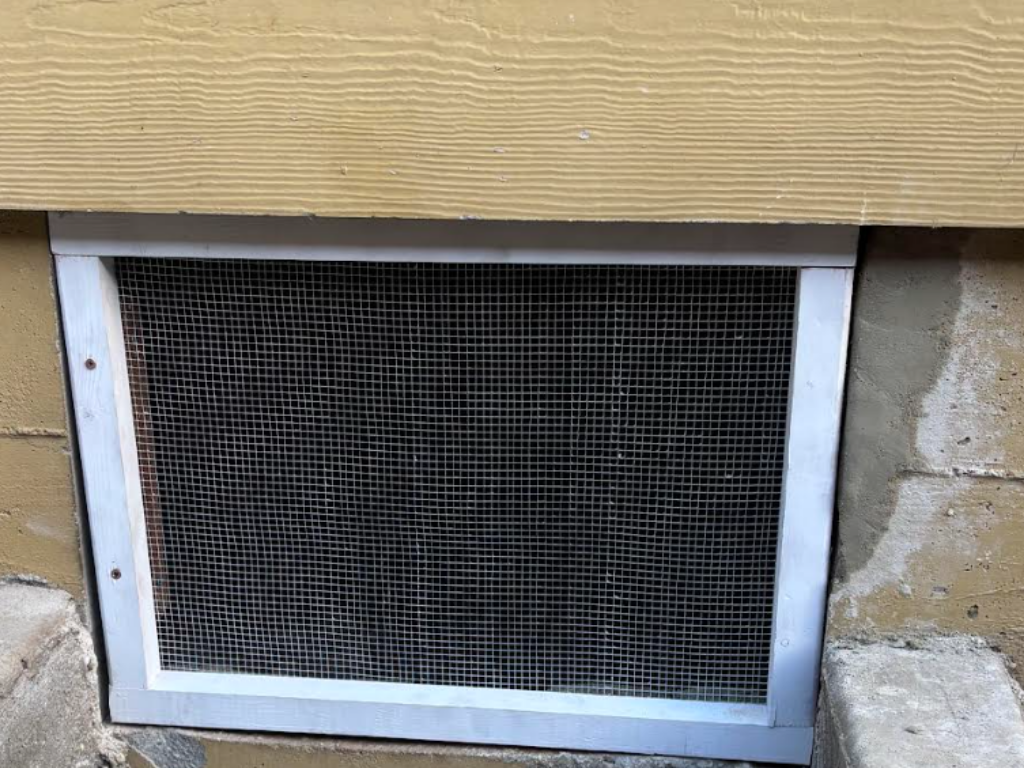
Foundation or crawlspace vent sealed with metal mesh and framed for rodent exclusion

Ground-Level Vents And Foundation Gaps

Block vents, crawlspace openings, and gaps along the sill are common ways rats and mice slip in at grade. A durable mesh barrier, tight framing, and sealed edges—like the detail around this vent—block chewers while keeping ventilation where it still belongs.

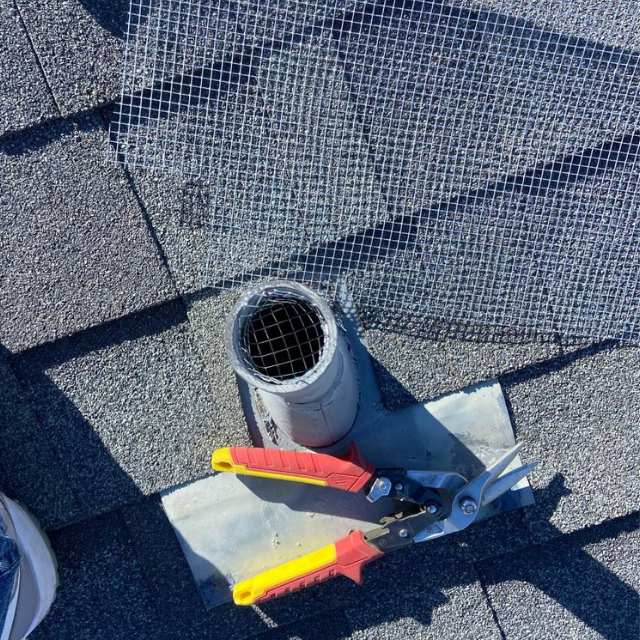
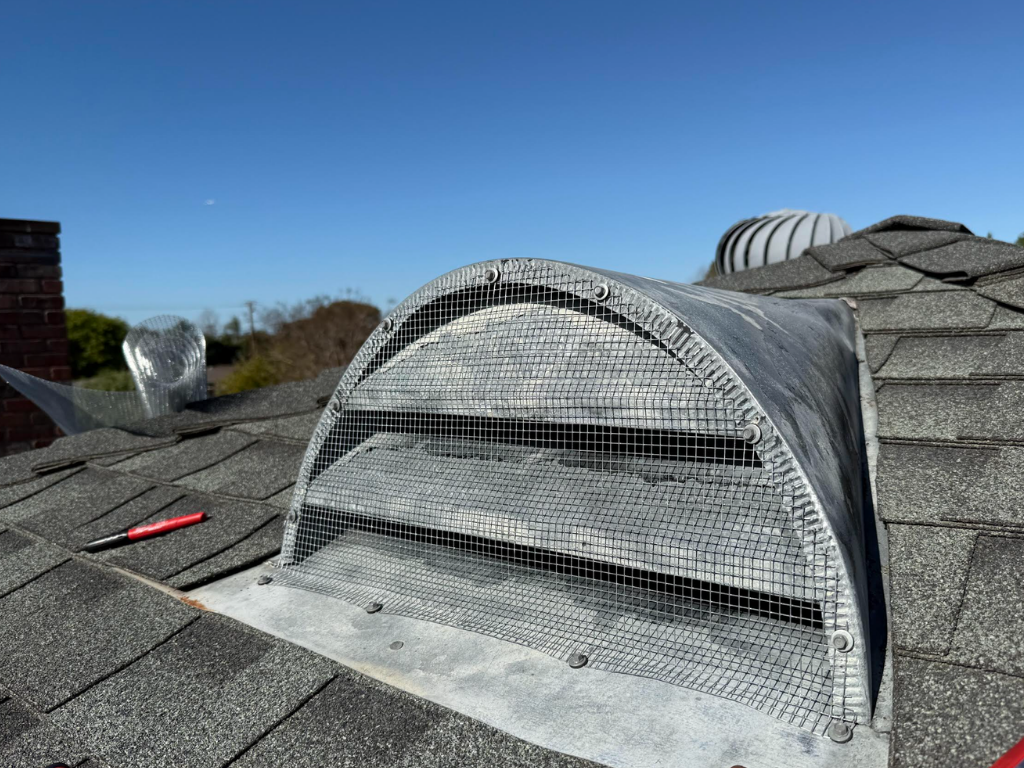
Roof vent protected with screwed-down hardware cloth to stop rodents without blocking airflow

Roof Vents And Roofline Weak Spots

Eyebrow vents, static vents, and similar roof penetrations are easy gnaw targets if they are only covered by thin louvers or loose flashing. Custom-fit screening and solid fastening turn those openings into long-term exclusion points while preserving the attic’s airflow.

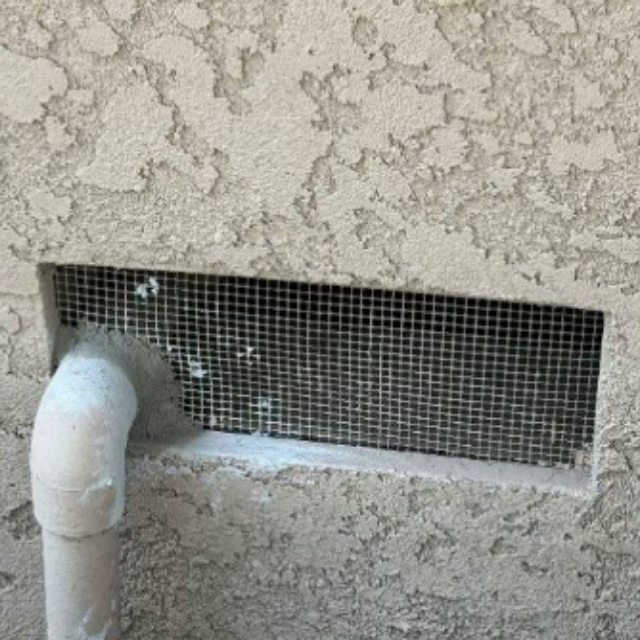
Exterior wall vent screened with mesh and PVC penetration sealed against rodents

Vents With Plumbing Or Conduit Penetrations

Intake and exhaust pockets that sit next to PVC elbows, condensate lines, or conduit are high-risk gaps—the opening has to breathe, but rodents love the offset seam. We fit hardware cloth tight to the louver, then pack and patch around the penetration with compatible mortar or sealant so there is no chewable void left beside the pipe.

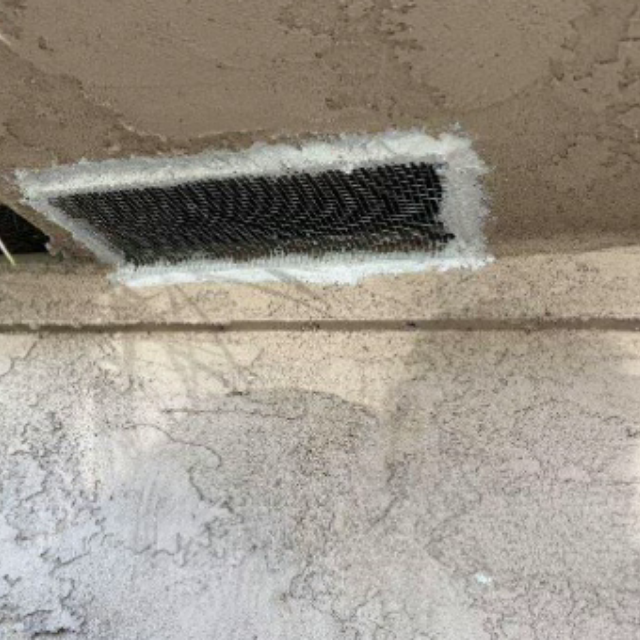
Soffit vent covered with mesh and sealed along the stucco border

Soffit Intakes Under The Overhang

Horizontal grilles tucked along eaves see constant squirrel and roof-rat traffic from gutters and fascia boards. A full sheet of fine mesh, locked down with a continuous bead of sealant around the perimeter, keeps animals from prying up corners while attic ventilation continues to draft.

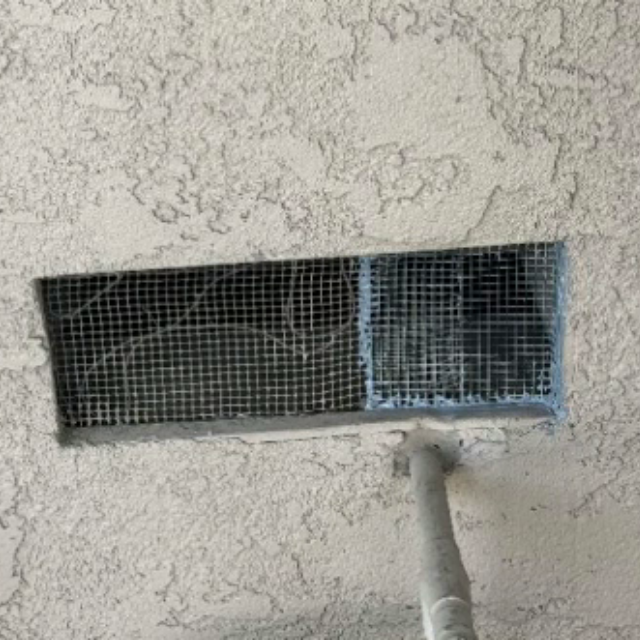
Foundation-style stucco vent reinforced with wire mesh and perimeter sealant

Stucco-Framed Wall Vents And Crawlspace Ports

Rough stucco edges rarely meet older covers perfectly, which leaves a ragged gap mice can sense instantly. We recess new mesh, tie it into the existing opening, and trace the frame with fresh sealant so the rigid screen bears against solid substrate instead of crumbly texture alone.

Why Homeowners Call for Rodent Proofing

Many homeowners reach out after rodents keep coming back, after they hear movement above the ceiling, or after they realize attic or crawlspace openings may still be active.

1

Rats keep returning

Recurring rodent problems often mean access points are still open somewhere around the structure.

2

Scratching overhead

Attic sounds can be a sign that rodents are still moving through the attic space.

3

Openings around the home

Gaps and likely access points around rooflines, vents, and crawlspace areas need attention.

4

Need a real next step

Homeowners often need a specialist attic-focused inspection before deciding what work is needed.

What Your Rodent Proofing Service Can Include

Every home is different. Some need straightforward sealing. Others need a fuller inspection-led plan involving attic access points, crawlspace areas, and next-step cleanup recommendations.

Attic and crawlspace inspection We assess likely rodent access areas and the broader condition of the space.
Entry point identification We look for likely openings where rodents may be gaining access.
Seal-off recommendations Proofing work is built around stopping access at the source wherever possible.
Attic-focused next steps If cleanup or insulation work is also needed, we can explain the right order of work.
Local project planning Clear recommendations for Orange County homeowners based on the actual attic condition.

Common Proofing Situations We See

These are some of the most common rodent proofing scenarios that bring homeowners to AtticXperts.

A

Rats in the attic

Rodent activity overhead often leads homeowners to look for inspection and sealing help.

B

Rodents in crawlspace

Under-home rodent activity may point to access issues that need a more complete proofing review.

C

Repeated rodent issues

When the problem keeps returning, homeowners often need a better entry-point strategy.

D

Proofing after cleanup

Some projects begin after contamination or attic cleanup has already revealed the bigger issue.

Why This Service Matters

Rodent proofing is about more than reacting to noise. It is about identifying likely access points and reducing the chance that the same attic problem keeps repeating.

Stop repeat entry

Recurring rodent problems often continue when likely access points are left unresolved.

Protect attic investments

Proofing becomes even more important after cleanup, decontamination, or insulation work.

Start with a clear inspection

Homeowners usually need an attic-focused review before deciding whether proofing alone will solve the issue.

How the Rodent Proofing Process Works

This is the typical path from first contact to inspection, proofing recommendations, and project completion.

1

Call or submit the form

Tell us what you are hearing, seeing, or suspecting around the attic or crawlspace.

2

Inspect the property

We assess attic and crawlspace areas, likely openings, and the broader rodent situation.

3

Build the proofing plan

We explain what sealing or related work makes sense based on the inspection findings.

4

Complete the next steps

Approved proofing work moves forward, with cleanup or insulation recommendations where needed.

Serving Orange County Homeowners

We help homeowners throughout Orange County with attic rodent proofing, exclusion planning, crawlspace inspection, and entry-point sealing support.

Primary Areas

  • Anaheim
  • Orange
  • Santa Ana
  • Garden Grove
  • Huntington Beach
  • Fullerton

Additional Cities

  • Irvine
  • Tustin
  • Costa Mesa
  • Westminster
  • Fountain Valley
  • Buena Park

Nearby Coverage

  • Mission Viejo
  • Lake Forest
  • Newport Beach
  • Brea
  • Laguna Niguel
  • Additional nearby service areas based on schedule and distance

Backed By Many Customer Reviews

Homeowners choose AtticXperts for attic and crawlspace rodent proofing, entry point sealing, exclusion planning, rodent-related insulation damage, and professional attic restoration support across Orange County.

Rodent Proofing FAQ

These answers help reduce hesitation and make the next step easier for paid traffic visitors.

Yes. We inspect likely access areas and can recommend the right sealing and exclusion approach based on what we find.
Yes. We can inspect both attic and crawlspace areas when rodent activity may be tied to either space.
No. Cleanup focuses on contamination and damaged materials. Proofing focuses on reducing how rodents get back into the space.
Scratching sounds can be a sign of rodent activity. The best next step is an inspection to understand what is happening and what work may be needed.
Yes. Many homeowners move into proofing after cleanup or insulation work so the same issue is less likely to return.
Call us or submit the form to schedule a free inspection and quote for your attic or crawlspace rodent proofing needs.

Need Help Sealing Rodent Entry Points?

Start with a free inspection. We will help you understand whether your home needs rodent proofing, exclusion work, crawlspace sealing, or a broader attic follow-up plan.

Book My Free Inspection Call (714) 592-4965
Call Now: (714) 592-4965